How to Stop Overthinking French Grammar When Speaking
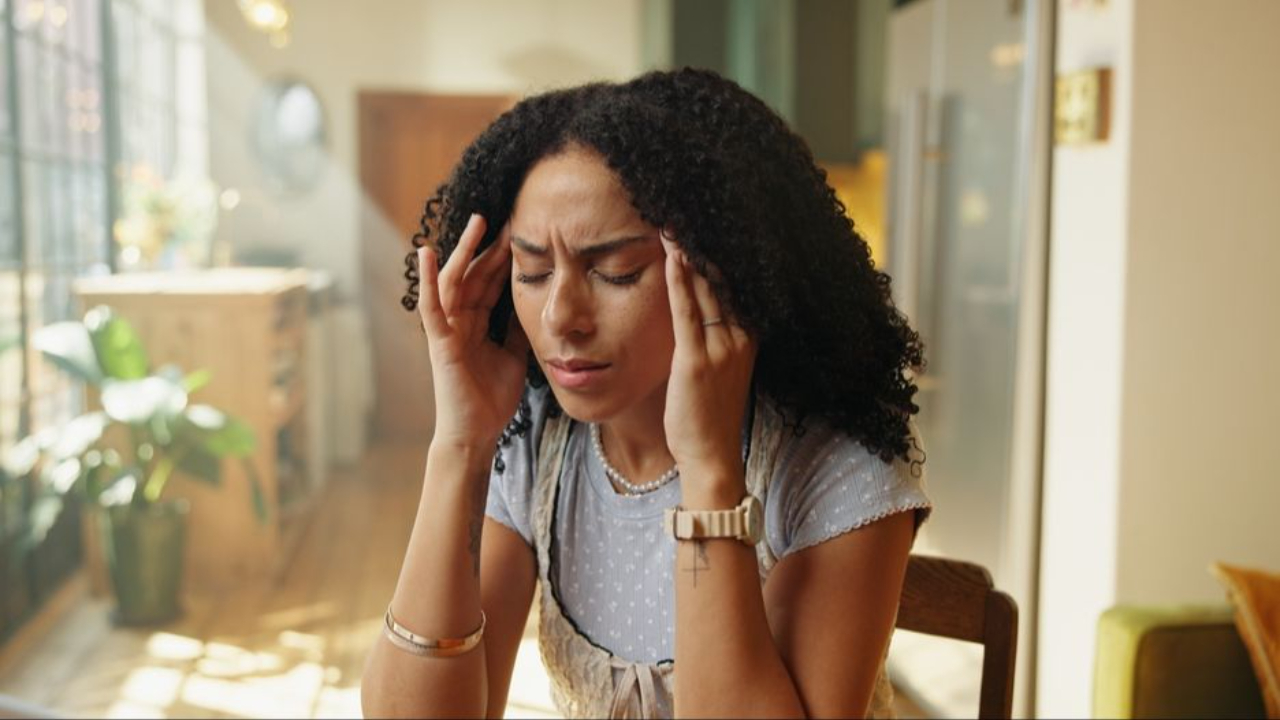
Mar 25, 2026One of the biggest obstacles French learners face is not vocabulary or pronunciation. It is overthinking grammar while speaking. You know the words, you understand the rules, yet the moment you try to talk, your mind freezes.
If this sounds familiar, the problem is not your level of French. It is how your brain is trying to use it. The good news is that overthinking grammar is common, fixable, and often a sign that you are ready to move forward.
Why Overthinking Happens When You Speak French
Overthinking usually comes from good intentions. You want to speak correctly, so your brain tries to check everything at once.
While speaking, you may try to:
-
Choose the correct verb tense
-
Remember gender and agreement
-
Place pronouns correctly
-
Avoid making mistakes
This is too much for real-time conversation. Speaking is fast. Grammar analysis is slow. When the two collide, speech stops.
Grammar Knowledge Is Not the Same as Speaking Skill
Knowing grammar rules does not mean you can apply them instantly while talking. Speaking is a physical and mental skill, closer to playing music than solving a puzzle.
Fluent speakers are not thinking about rules. They are using patterns they have repeated so often that they come out automatically.
Your goal is not to forget grammar. It is to stop trying to use all of it at once.
Focus on Meaning, Not Accuracy
When you speak French, your main job is to communicate meaning.
If your sentence is understandable, it is successful, even if the grammar is imperfect. Native speakers do this constantly. They hesitate, simplify, and rephrase without stopping the conversation.
Clarity beats correctness in real communication.
Use Fewer Grammar Rules on Purpose
One effective way to stop overthinking is to limit the grammar you allow yourself to use while speaking.
For example:
-
Stick to the present tense
-
Use familiar sentence patterns
-
Avoid complex structures you have not practiced out loud
This reduces mental load and builds confidence. As these patterns become automatic, you can expand naturally.
Memorize Sentence Patterns, Not Rules
Instead of thinking, “What tense do I need here?” rely on ready-made structures such as:
-
Je pense que…
-
J’ai besoin de…
-
Il y a…
-
Je veux dire que…
These patterns let you speak fluently without constructing sentences from scratch each time.
Stop Self-Correcting Mid-Sentence
Self-correction is one of the biggest causes of hesitation.
When you stop mid-sentence to fix grammar:
-
You lose rhythm
-
You lose confidence
-
You often forget what you wanted to say
Finish your thought first. Corrections can come later, or not at all.
Practice Speaking Without Pressure
Overthinking decreases when pressure is low.
Good low-pressure speaking habits include:
-
Talking to yourself out loud
-
Describing what you are doing during the day
-
Summarizing videos in simple French
-
Practicing with patient partners
The goal is flow, not performance.
Accept That Mistakes Are Part of Fluency
Mistakes do not mean you are bad at French. They mean you are using it.
Fluent speakers make mistakes too. The difference is that they do not panic or stop speaking when it happens.
Fluency grows from momentum, not perfection.
Why Listening Helps Reduce Overthinking
The more French you hear, the less you need to think.
Listening builds intuition for:
-
What sounds natural
-
Which structures are common
-
How sentences flow
Over time, correct grammar starts to feel right instead of feeling calculated.
A Simple Rule to Remember When Speaking
If you remember only one thing, remember this:
Speaking French is not a grammar test. It is a communication skill.
Your brain cannot analyze and speak at the same time. Choose speaking.
Final Thoughts
Overthinking French grammar when speaking is not a flaw. It is a phase. It means you care and you know enough to want accuracy.
The way forward is not more rules, but more repetition, simpler structures, and permission to be imperfect. When you stop trying to speak perfect French, you finally start speaking real French.